
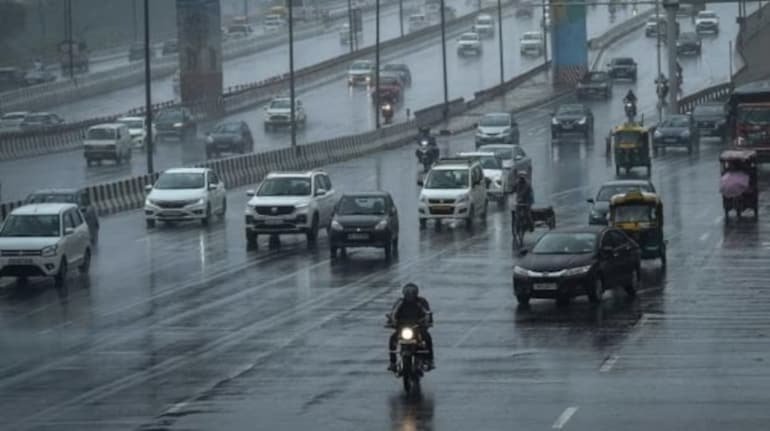
In the bustling metropolis of Delhi, the year 2023 brings a new ray of hope in the battle against air pollution: the promise of artificial rain. Artificial rain in Delhi is not just a scientific experiment; it’s a testament to human ingenuity and a much-needed solution to combat the city’s notorious air quality issues. In this article, we delve into the fascinating world of artificial rain in Delhi and explore how it can transform the city’s atmosphere and the lives of its residents.
Artificial Rain in Delhi – A Breath of Fresh Air
The term “artificial rain in Delhi” has been on everyone’s lips as the city grapples with hazardous air quality levels year after year. The concept isn’t new, but the approach and technology have evolved significantly, offering a glimmer of hope for cleaner, fresher air. Artificial rain, also known as cloud seeding, involves stimulating clouds to release precipitation, providing much-needed relief from pollution.
The Need for Artificial Rain in Delhi
Delhi’s air quality woes have been well-documented. The city often finds itself shrouded in a toxic smog, primarily due to vehicular emissions, industrial pollution, and the annual crop burning in neighboring states. Residents have faced health concerns, and authorities have resorted to emergency measures like odd-even vehicle restrictions and the closure of schools. Artificial rain in Delhi emerges as a proactive solution to address the crisis.
Understanding the Science Behind Artificial Rain
Cloud seeding is a process that involves introducing substances into clouds to encourage rain or snowfall. In the context of artificial rain in Delhi, the aim is to disperse cloud-seeding agents into the atmosphere to encourage precipitation. These agents can be salts, like silver iodide, or other materials that promote the formation of ice crystals, which, in turn, trigger rain or snow.
The Role of IIT Kanpur in the Initiative
In a significant step towards implementing artificial rain in Delhi, the Indian Institute of Technology (IIT) Kanpur has taken a leading role. They have been researching and developing cloud-seeding technologies for Delhi and other regions in North India. Their expertise and commitment have provided a strong foundation for the city’s efforts to combat pollution.
A Silver Lining for Agriculture and Water Resources
Artificial rain isn’t just about battling air pollution; it has positive implications for agriculture and water resources as well. The precipitation generated through cloud seeding can be a boon for farmers, as it helps in soil moisture replenishment and crop growth. Additionally, it contributes to replenishing water reservoirs, thereby addressing water scarcity issues.
The Environmental Impact of Artificial Rain
While the primary goal of artificial rain in Delhi is to improve air quality, it’s essential to consider the environmental effects. Cloud seeding agents are carefully selected to minimize any adverse ecological impacts. These substances are biodegradable and do not pose long-term risks to the environment.
Challenges and Limitations
Implementing artificial rain in a bustling city like Delhi is not without its challenges. One of the key challenges is accurately predicting weather conditions and cloud formations, which are crucial for cloud seeding to be effective. Moreover, maintaining the right balance of cloud-seeding agents to achieve the desired precipitation without causing unintended consequences is a delicate task.
Public Awareness and Support
The success of artificial rain in Delhi hinges not only on technological advancements but also on public awareness and support. Citizens need to be informed about the benefits and potential short-term inconveniences associated with cloud seeding. Public cooperation and understanding are vital to ensure the program’s success.
The Future of Artificial Rain in Delhi
As 2023 unfolds, artificial rain in Delhi holds promise as a valuable tool in the fight against air pollution. With ongoing research and collaborations with institutions like IIT Kanpur, the initiative is poised for success. The people of Delhi can look forward to breathing cleaner air and enjoying a healthier quality of life.
A Collective Effort for a Better Delhi
The introduction of artificial rain in Delhi is a testament to the collective effort of government agencies, research institutions, and citizens who have recognized the urgent need for action. It demonstrates that innovation and science can provide solutions to some of the most pressing challenges facing our cities.
Conclusion
Artificial rain in Delhi is more than a technological experiment; it is a lifeline for a city battling hazardous air quality. As we venture into 2023, the promise of cleaner air and a healthier future for Delhi’s residents is within reach. Through advancements in cloud seeding technology, the city has a powerful tool to combat air pollution, nurture its agricultural landscape, and address water scarcity issues. It’s a testament to human ingenuity and determination to safeguard the environment and public health. Delhi’s journey towards clearer skies is an inspiring example of how innovative solutions can transform our lives for the better.
 Rishabh Singh
Leave a comment