
What major historical events do you remember?
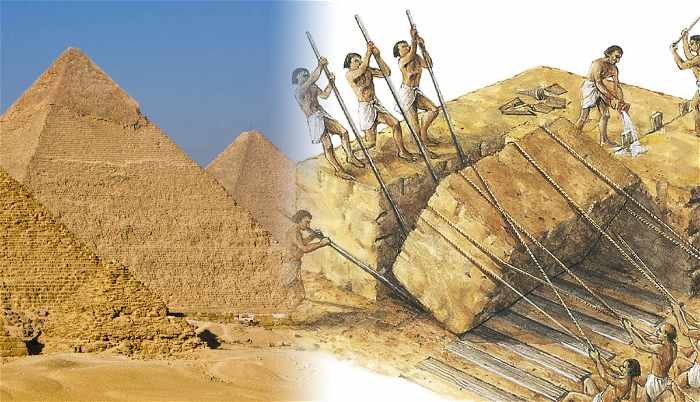
The Great Pyramids of Giza are one of the most iconic and awe-inspiring structures ever built. They are also one of the most mysterious, as the exact methods used to construct them remain a matter of debate.
The pyramids were built as tombs for three pharaohs of the Fourth Dynasty: Khufu (Cheops), Khafre (Chephren), and Menkaure (Mykerinus). The Great Pyramid of Khufu is the largest and most impressive of the three, and it is the largest pyramid ever built. It is estimated that the pyramid contains over 2.3 million blocks of stone, each weighing an average of 2.5 tons.
The construction of the pyramids is thought to have taken around 20-30 years, and it involved a massive workforce of skilled and unskilled laborers. The exact methods used to transport and lift the massive stones into place are still unknown, but archaeologists believe that the Egyptians used a variety of techniques, including ramps, levers, and rollers.
One of the most common theories about the construction of the pyramids is that the Egyptians built a ramp around the pyramid that gradually grew taller as the pyramid was built. The stones would then have been dragged up the ramp using sledges and rollers. Another theory is that the Egyptians used a system of canals and water to transport the stones to the pyramid site.
Once the stones were in place, the Egyptians used a variety of tools and techniques to shape and fit them together. They used copper chisels and saws to cut the stones, and they used sand and water to polish them. The stones were fitted together so precisely that no mortar was needed to hold them in place.
The construction of the Great Pyramids of Giza was a remarkable feat of engineering and human ingenuity. It is a testament to the skill and dedication of the ancient Egyptians.
 Rishabh Singh
Leave a comment