
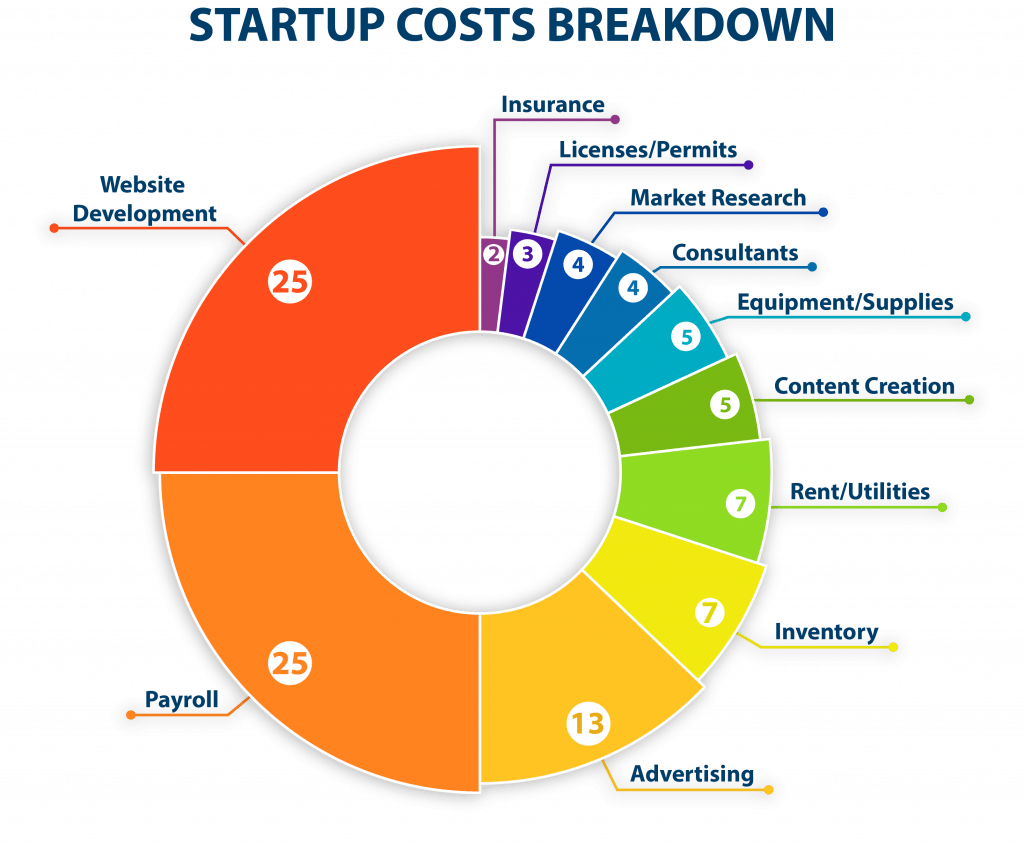
Starting an online business is an exciting venture. The digital realm offers numerous opportunities for entrepreneurs to turn their ideas into profitable ventures. However, one of the most critical aspects of launching an online business is understanding and budgeting for startup costs.
Online business startup costs encompass a wide range of expenses necessary to get your venture off the ground and running. Failing to account for these costs can lead to financial challenges down the road. In this article, we will explore the various costs associated with starting an online business and provide tips on managing them effectively.
1. Website Development and Design:
Your website is the face of your online business, and investing in a professional design is crucial. The cost of website development can vary significantly, depending on the complexity of your site and whether you choose to hire a web developer or use DIY website builders. Expect to budget a significant portion of your startup capital for this purpose.
2. Domain and Hosting:
To establish your online presence, you’ll need to purchase a domain name and hosting services. Domains typically cost around $10 to $20 per year, while hosting can range from $5 to $30 per month. These costs are recurring but are fundamental to your business’s online identity.
3. E-commerce Platform:
If you plan to sell products or services online, you’ll need an e-commerce platform. Popular options like Shopify, WooCommerce, or BigCommerce come with monthly fees that vary based on your business’s size and requirements.
4. Marketing and Advertising:
Effective marketing and advertising are essential for attracting customers to your online business. Costs can include paid advertising on platforms like Google Ads or social media, as well as content creation and email marketing tools. Allocate a portion of your budget to marketing to promote your brand and products or services.
5. Content Creation:
High-quality content is key to engaging your target audience and driving traffic to your website. Consider the costs of creating and curating content, including blog posts, videos, and images. You may need to hire writers, designers, or photographers to help with content production.
6. Legal and Licensing Fees:
Ensure that your online business complies with all legal requirements. This may involve registering your business, obtaining licenses, or trademarking your brand. Legal and licensing fees vary by location and the nature of your business.
7. Payment Processing Fees:
When processing payments online, you’ll incur transaction fees, which are usually a percentage of each sale. These fees can vary depending on the payment gateway you choose.
8. Technology and Software:
Invest in the necessary software and tools to run your online business efficiently. This includes e-commerce software, project management tools, customer relationship management (CRM) software, and cybersecurity tools to protect your website and customer data.
9. Inventory (if applicable):
If you’re selling physical products, you’ll need to budget for inventory. Ensure you have enough stock to meet initial demand while avoiding over-purchasing, which can tie up valuable capital.
10. Customer Support and Service:
Providing exceptional customer service is essential for online businesses. Allocate funds for customer support software, training, and possibly hiring customer service representatives.
11. Accounting and Financial Software:
Proper accounting and financial management are vital for the long-term success of your business. Invest in accounting software or hire an accountant to keep your financial records in order.
12. Contingency Fund:
Unforeseen expenses are common in business. Setting aside a contingency fund to cover unexpected costs or emergencies is a wise financial practice.
 Rishabh Singh
Leave a comment